Uncovering Richmond’s Storied Past: A Centuries-Old Canvas
Richmond, a picturesque borough in southwest London, is a veritable treasure trove of history. A serene enclave nestled on the banks of the River Thames, Richmond has a storied past that spans centuries. From its beginnings as a royal retreat to its present-day standing as a vibrant cultural hub, the borough has been shaped by waves of history, painting a vibrant tableau of the times.
Walking through the charming streets of Richmond is akin to stepping back in time. Every corner, every building, and every stone of this beautiful borough whispers tales of bygone eras. Throughout the years, Richmond has been a silent spectator of various historical events, bearing witness to the rise and fall of dynasties, changes in governance, the evolution of culture and the march of progress. It is this timeless quality that makes Richmond’s past so enchanting.
Uncovering Richmond’s history offers an opportunity to delve deep into the heart of British heritage. Its rich tapestry of historic sites, ancient buildings, and timeless traditions offers a glimpse into the past, allowing you to journey through the annals of history and experience the evolution of British society firsthand. This timeless journey provides an enriching and immersive experience that appeals to history buffs, culture vultures, and curious explorers alike.
The Royal Roots: Richmond’s Majestic Beginnings
Richmond’s royal legacy is a testament to its majestic beginnings. Its roots date back to the reign of King Henry I, who established a royal residence here in the 12th century. Subsequent monarchs, including King Henry VIII and Queen Elizabeth I, also held court in Richmond, the latter even passing away in the borough. This royal heritage has imbued Richmond with a unique character, with majestic palaces and regal parks bearing testament to its royal past.
The grandeur of Richmond’s royal history is particularly evident in Richmond Palace. Although much of the original structure has been lost to time, the remaining gatehouse and Wardrobe, standing tall amidst modern buildings, carry the aura of royal majesty that once defined the palace. The Palace was a favoured retreat for the monarchy, hosting numerous significant historical events, and its remnants today serve as a poignant reminder of Richmond’s royal connections.
The impact of Richmond’s royal heritage extends beyond mere architectural splendour. The borough’s rich history has shaped its identity, imbuing it with a sense of grandeur and timelessness. It has fostered a unique culture that beautifully interweaves the modern with the traditional, the cosmopolitan with the regal. The royal roots of Richmond make for a rich and fascinating exploration, offering a rare glimpse into the lives and times of British monarchs.
Architecture Unveiled: Revisiting Richmond’s Iconic Landmarks
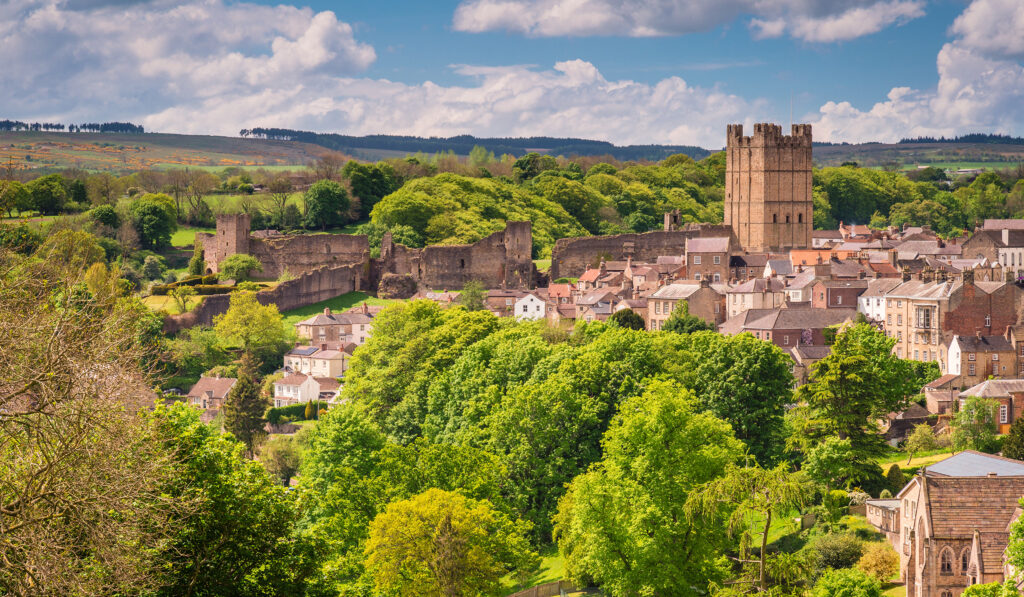
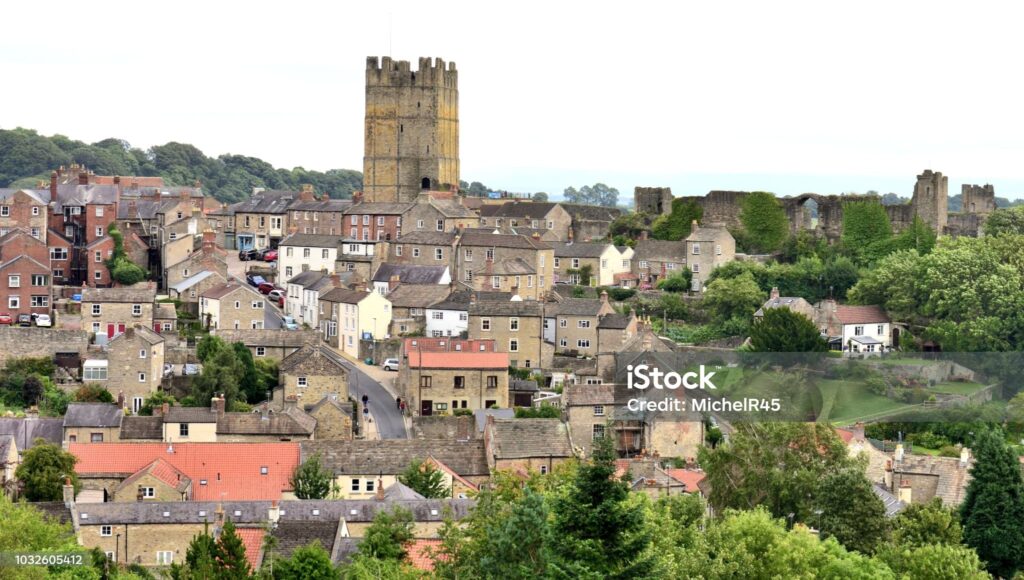
Richmond’s architectural landscape is a testament to its rich history. From medieval churches and Tudor-style houses to Georgian terraces and Victorian villas, the borough’s architecture is a physical manifestation of its storied past. Each era has left its mark on the borough, contributing to a diverse architectural tapestry that is as varied as it is beautiful.
Richmond’s architectural gems, such as the Richmond Theatre, the Old Town Hall and the Star and Garter Home, offer glimpses into different periods of the borough’s history. The Richmond Theatre, a Victorian-era building, is a splendid example of 19th-century theatre architecture, while the Old Town Hall, with its elegant Edwardian Baroque style, harks back to the early 20th century. These landmarks encapsulate the architectural styles and trends of their respective eras, offering a tangible link to the past.
Exploring Richmond’s architecture is an enriching experience, offering a window into the borough’s historical and cultural evolution. The architecture is more than just bricks and mortar; it’s a chronicle of the times, reflecting the ebb and flow of socio-economic trends, technological advancements, and aesthetic preferences. The architectural journey through Richmond is a unique opportunity to witness history in three dimensions and appreciate the craftsmanship and skill of generations past.
Richmond’s Cultural Tapestry: A Fusion of Arts and Traditions
Richmond’s history is not only evident in its physical landscape but also in its vibrant cultural tapestry. The borough is a hotbed of arts and culture, boasting a rich heritage of theatre, music, literature and visual arts. From the Richmond Theatre, a hub for performing arts, to the Orleans House Gallery, home to an impressive collection of visual art, Richmond is a cultural paradise.
Richmond’s cultural scene is a reflection of its diverse history. Its artistic heritage has been shaped by numerous cultural influences, from the regal traditions of the monarchy to the cosmopolitan trends of the modern era. This fusion of influences has given birth to a dynamic and eclectic cultural landscape that offers something for everyone, from traditional to contemporary, classical to experimental.
The cultural exploration of Richmond offers an immersive and enriching experience, allowing you to delve into the borough’s artistic soul. It offers an opportunity to engage with local artists, enjoy performances at historic venues, and appreciate the creativity and innovation that have shaped Richmond’s cultural landscape. The borough’s rich cultural tapestry not only offers a feast for the senses but also provides a deeper understanding of its unique identity and character.
The River Thames: Richmond’s Lifeline Through Time
The River Thames, winding its way through Richmond, has been the lifeline of the borough for centuries. Its calm waters have witnessed the borough’s evolution from a royal retreat to a bustling urban centre. The river has been integral to Richmond’s development, providing a means of transport, a source of livelihood, and a focal point for social and recreational activities.
The Thames has shaped Richmond in many ways. Its fertile banks have nurtured the borough’s green spaces, while its scenic beauty has inspired artists and poets alike. The river’s influence is evident in Richmond’s iconic landmarks such as the Richmond Bridge, the oldest surviving Thames bridge in London, and the Richmond Riverside, a popular leisure area that exemplifies the borough’s harmonious coexistence with nature.
The River Thames continues to be an integral part of Richmond’s identity. Its serene banks are a favoured spot for leisurely walks, picnics, and river cruises, offering stunning views of the borough’s historic skyline. The river is not just a geographical feature; it is a symbol of Richmond’s resilience and adaptability, a constant amidst the changing tides of time.
Parks and Green Spaces: Richmond’s Natural Heritage
Richmond is renowned for its abundance of parks and green spaces, a testament to its commitment to preserving its natural heritage. The borough is home to the largest Royal Park in London, Richmond Park, a sprawling expanse of greenery that is a hub for wildlife and a popular recreational space. Other green spaces, such as the Kew Gardens and the Ham House Gardens, are equally enchanting, offering residents and visitors an escape from the urban hustle.
These parks and green spaces are not just recreational zones; they are a part of Richmond’s history. Many of them have royal origins, such as Richmond Park, originally a hunting ground for King Charles I, and Kew Gardens, once a royal residence. These parks have been meticulously preserved and continue to offer a serene and scenic retreat, a testament to Richmond’s rich natural heritage.
Exploring Richmond’s parks and green spaces offers a unique experience, allowing you to commune with nature while soaking in the borough’s historical aura. As you meander through the manicured gardens, picnic by the tranquil ponds, or marvel at the diverse flora and fauna, you are transported to a world far removed from the urban chaos. The parks of Richmond offer a unique blend of history and natural beauty, creating an oasis of tranquillity amidst the bustling city.
Richmond’s Culinary Journey: A Reflection of Historic Influences
Richmond’s rich history is mirrored in its diverse culinary scene. The borough’s food culture has been shaped by myriad influences, from traditional British fare to exotic international cuisine. Its culinary journey reflects the borough’s evolution, with each era leaving its mark on the gastronomic landscape.
Richmond’s historical connections with the monarchy can be savoured in its traditional British fare, while its position as a global city is reflected in its cosmopolitan food scene. From quaint tearooms serving apple crumble and scones to trendy restaurants offering a fusion of global flavours, Richmond’s culinary landscape is a veritable melting pot of tastes and traditions.
Embarking on a culinary journey through Richmond is a gastronomic delight. It offers an opportunity to sample a variety of cuisines, engage with local food producers, and learn about the borough’s food heritage. It’s not just a feast for the palate, but also a cultural exploration, offering a taste of Richmond’s history and heritage.
Present and Future: Modern Richmond Amidst Rich History
While Richmond’s history is undoubtedly captivating, it is the seamless blend of the old and the new that truly sets the borough apart. The modern Richmond is a bustling urban centre, with a thriving economy, a vibrant cultural scene, and a diverse population. Yet, it has managed to preserve its historical character, creating a unique harmony between the past and the present.
Richmond’s modernity is evident in its infrastructure, economy, and lifestyle. It boasts state-of-the-art facilities, a robust business environment, and a cosmopolitan lifestyle, appealing to a global audience. Yet, it remains deeply rooted in its history, its royal heritage and architectural grandeur coexisting with contemporary trends.
The future of Richmond is as promising as its past is glorious. The borough continues to evolve, embracing change while staying true to its roots. It is this commitment to preserving its rich history while looking ahead to a vibrant future that makes Richmond a truly unique destination, offering a timeless journey through the annals of British history.